
Exploring the Eight Dimensions of Wellness: A Guide to a Fulfilling Life

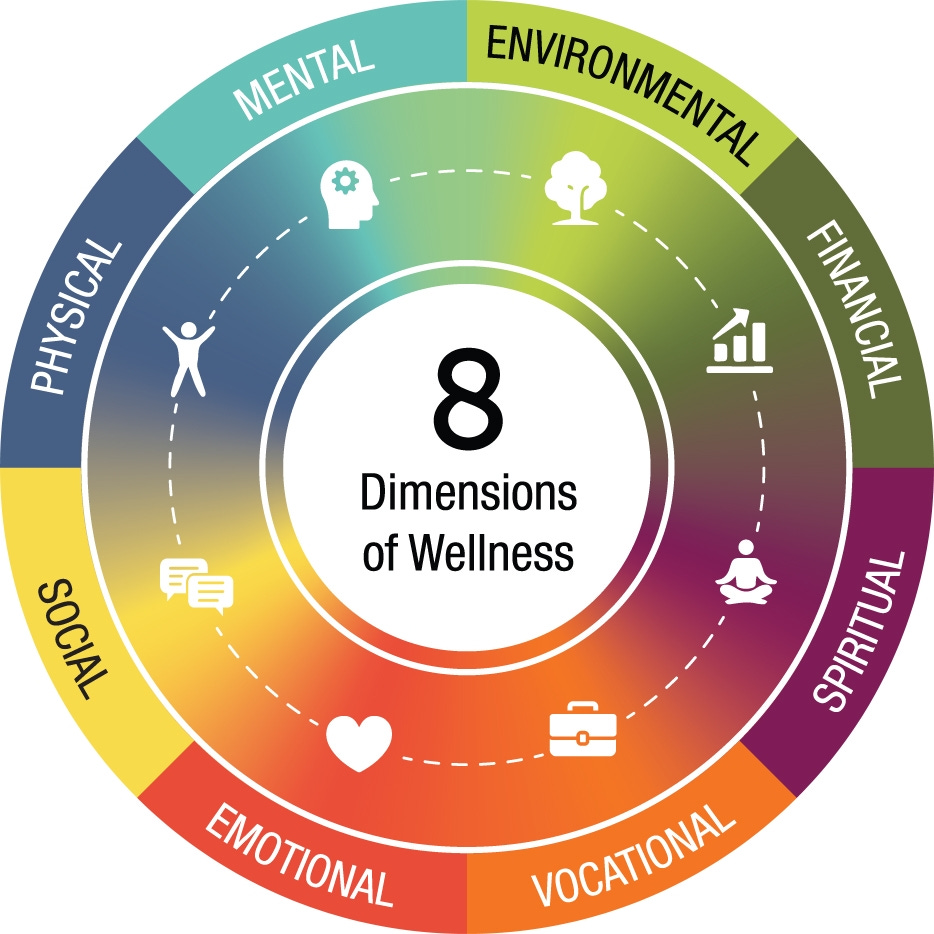
Imagine yourself approaching a complex puzzle. Success hinges on meticulous attention to detail, a keen eye for the bigger picture, and understanding how each piece fits together. The human body, much like this puzzle, is far more intricate than any machine. True well-being extends far beyond the physical; it encompasses a complex interplay of eight fundamental dimensions. Through my experience, I've witnessed firsthand how imbalances in one dimension can cascade and impact others. Yet, amidst the complexities, a fundamental truth remains: we all hold the power to cultivate a life of greater fulfillment by nurturing each of these dimensions.
The Eight Pillars of Well-being
Imagine a well-crafted table – strong, stable, and capable of supporting a significant weight. Each leg represents a dimension of wellness. A sturdy table requires all eight legs to be equally robust, lest it wobble or even collapse. Let's delve into these eight pillars:
1. Physical Wellness
The foundation of our well-being is our physical health. This encompasses a healthy diet, regular exercise, adequate sleep, and preventive healthcare. Just as a surgeon, for example, prioritizes sterile instruments for a successful operation, we must prioritize healthy habits to optimize our body's ability to function and heal.
Building Blocks:
Nourishment: Eating a balanced diet rich in fruits, vegetables, whole grains, and lean protein provides the essential building blocks for cellular health and energy production.
Movement: Regular physical activity, whether a brisk walk, a challenging workout, or participation in a sport, strengthens our bodies, improves cardiovascular health, and boosts our mood.
Rest: Sleep allows our bodies to repair and rejuvenate. Aim for 7-8 hours of quality sleep each night.
Prevention: Regular check-ups with healthcare providers enable early detection and management of potential health issues.
2. Emotional Wellness
Our emotional well-being encompasses our ability to understand, express, and manage our emotions in a healthy way. It involves self-awareness, resilience, and the ability to cope with life's challenges.
Cultivating Emotional Wellness:
Self-awareness: Identifying our emotions and understanding their triggers is the first step towards managing them effectively. Techniques like journaling or meditation can be helpful tools.
Stress Management: Chronic stress can wreak havoc on our emotional and physical health. Develop healthy coping mechanisms such as exercise, relaxation techniques, or spending time in nature.
Positive Relationships: Nurturing strong connections with loved ones provides a buffer against life's stressors and fosters a sense of belonging.
Seeking help: Don't hesitate to seek professional support if you're struggling with emotional challenges. Therapy can be a powerful tool for developing coping mechanisms and improving emotional well-being.
3. Social Wellness
Humans are social creatures. Strong social connections provide a sense of belonging, purpose, and support. Our social well-being encompasses the quality of our relationships with family, friends, colleagues, and our broader community.
Building a Strong Social Network:
Invest in quality time: Make time for meaningful interactions with loved ones. Put away distractions and be present in the moment.
Cultivate new connections: Step outside your comfort zone and explore new activities or clubs to expand your social circle.
Volunteer: Giving back to the community fosters a sense of purpose and strengthens bonds with others.
Maintain healthy boundaries: Learn to say no to overcommitments and prioritize quality interactions over quantity.
Expanding Our Horizons: Exploring Additional Dimensions of Wellness
The eight dimensions of wellness form a complete framework for a rewarding life. We've already explored the foundational aspects of physical, emotional, and social wellness. Let's now go deeper into the remaining five dimensions that contribute to a well-rounded sense of well-being:
4. Intellectual Wellness
Intellectual wellness encompasses a lifelong love of learning and a desire to expand your knowledge and skills. It involves stimulating your mind, engaging in creative pursuits, and challenging yourself intellectually.
Nurturing Your Intellect:
Embrace lifelong learning: Read books, take online courses, attend lectures, or learn a new skill.
Explore your curiosity: Explore topics that arouse your interest, whether it's history, science, art, or philosophy.
Challenge yourself: Step outside your comfort zone and try new things that stimulate your mind.
Fuel your creativity: Express yourself through writing, music, painting, or any creative outlet that brings you joy.
5. Occupational Wellness
Occupational wellness focuses on finding fulfillment and satisfaction in your work. It involves having a healthy work-life balance, feeling valued in your role, and experiencing a sense of purpose through your work.
Crafting a Fulfilling Career:
Align your work with your values: Choose a career that aligns with your interests, skills, and purpose.
Maintain a healthy work-life balance: Set boundaries and prioritize time for rest and relaxation outside of work.
Seek opportunities for growth: Advocate for professional development opportunities to learn new skills and advance in your career.
Create a positive work environment: Build healthy relationships with colleagues and foster a sense of teamwork and support.
6. Environmental Wellness
Environmental wellness focuses on creating a healthy and sustainable relationship with the environment. It involves being mindful of our impact on the planet and making conscious choices to protect it.
Living in Harmony with Nature:
Reduce your environmental footprint: Conserve resources, recycle and reuse whenever possible, and choose eco-friendly products.
Spend time in nature: Immerse yourself in the natural world – go for walks in parks, hike in forests, or simply sit outside and appreciate the beauty of nature.
Support sustainable practices: Choose companies committed to environmental responsibility and advocate for policies that protect our planet.
7. Spiritual Wellness
Spiritual wellness is about finding a sense of meaning and purpose in life that transcends the material world. It can involve connecting with a higher power, exploring your values and beliefs, or cultivating a sense of inner peace.
Exploring Your Spirituality:
Engage in spiritual practices: Meditation, prayer, spending time in nature, or connecting with a religious community can all contribute to spiritual well-being.
Develop your values: Reflect on what matters most to you and strive to live a life that aligns with those values.
Find your purpose: Consider what gives your life meaning and purpose beyond your daily routine.
8. Financial Wellness
Financial wellness involves managing your money effectively to achieve financial security and peace of mind. It encompasses budgeting, saving for the future, and making responsible financial decisions.
Building Financial Security:
Create a budget: Track your income and expenses to understand your financial situation.
Develop a savings plan: Set financial goals and prioritize saving for retirement, emergencies, and future aspirations.
Live within your means: Avoid unnecessary debt and make informed financial decisions.
Seek financial guidance: Consult with a financial advisor to develop a personalized financial plan.
The Interconnected Web: Physical, Mental, Emotional, and Financial Wellness
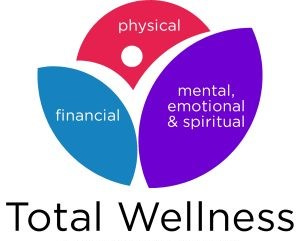
These eight dimensions are not isolated entities. They are intricately woven together. For instance, a healthy diet (physical) can improve your mood (emotional) and cognitive function (intellectual). Likewise, financial stress (financial) can negatively impact your sleep (physical) and emotional well-being.
Here's a closer look at the interconnectedness between physical, mental, emotional, and financial wellness:
Physical Wellness: Maintaining a healthy lifestyle through exercise, proper nutrition, and adequate sleep contributes to mental clarity, emotional resilience, and improved ability to manage stress.
Mental and Emotional Wellness: Our mental and emotional state significantly impacts our physical health. Chronic stress can weaken the immune system and contribute to physical ailments. Conversely, mindfulness practices and emotional regulation techniques can promote better sleep and a stronger immune system.
Financial Wellness: Financial insecurity can be a significant source of stress, leading to anxiety and depression.
Likewise, neglecting one dimension can have a ripple effect on others.
For example, chronic work stress (occupational) can lead to sleep problems (physical) and difficulty concentrating (intellectual). Conversely, prioritizing physical activity (physical) can boost energy levels (physical) and improve cognitive function (intellectual).
This interconnectedness highlights the importance of a holistic approach to well-being. Just as a surgeon considers the entire patient, not just the affected area, we must strive to nurture all eight dimensions for a truly fulfilling life.
Creating Your Personalized Wellness Plan
There's no one-size-fits-all approach to wellness. What works for one person might not be ideal for another. The key lies in self-discovery and crafting a personalized plan that aligns with your values, interests, and lifestyle.
Here are some steps to get you started:
Self-Assessment: Take a moment to reflect on your current state in each of the eight dimensions. Consider using a wellness wheel or a journal prompt to guide your self-evaluation.
Identify Areas for Growth: Once you have a clearer picture of your current wellness landscape, pinpoint areas where you'd like to make improvements. Perhaps you struggle with maintaining a consistent sleep schedule (physical), or you find it challenging to manage work stress (occupational).
Set SMART goals: Don't overwhelm yourself by trying to tackle everything at once. Instead, set Specific, Measurable, Achievable, Relevant, and Time-bound (SMART) goals for each dimension you wish to improve.
For example, a SMART goal for improving sleep could be: "Go to bed 30 minutes earlier each night for the next two weeks."
Craft an Action Plan: Break down your goals into smaller, actionable steps. Identify activities you can realistically incorporate into your routine that will facilitate progress towards your goals.
In the sleep example, your action plan might include establishing a relaxing bedtime routine, creating a sleep-conducive environment, and avoiding screens before bed.
Seek Support: Don't hesitate to enlist the help of friends, family, healthcare professionals, or wellness coaches on your journey. Accountability can be a powerful motivator, and others can provide valuable guidance and support.
Track Your Progress: Monitor your progress regularly. This will help you stay motivated and adjust your plan as needed. Celebrate your successes, no matter how small, and acknowledge the challenges you face.
Embrace Lifelong Learning: The path to well-being is a lifelong journey. Continuously educate yourself about the different dimensions of wellness and explore new strategies that can enhance your life.
The Power of Small, Consistent Steps
Sustainable change rarely happens overnight. The key lies in taking small, consistent steps that become ingrained in your daily life. Just as a surgeon relies on meticulous technique for a successful operation, achieving well-being requires a commitment to consistent effort.
Think of it like building muscle. Initially, lifting lighter weights might seem easy, but over time, with consistent effort, you'll be able to handle heavier loads. The same principle applies to well-being. Small, consistent choices accumulate and gradually lead to a more fulfilling and resilient you.
Conclusion: Investing in Yourself – The Best Long-Term Return on Investment
Our well-being is our most valuable asset. By nurturing each of the eight dimensions, we equip ourselves with the physical, emotional, and social strength to navigate life's challenges and embrace opportunities for growth and fulfillment.
Investing in your well-being isn't selfish; it's essential. Imagine the surgeon who neglects their own health – their ability to care for patients would be compromised. Similarly, by prioritizing your well-being, you become a better version of yourself – a more resilient, engaged, and contributing member of your family, community, and the world at large.
So, embark on this journey of self-discovery and cultivate a life of well-being. Remember, the power to create a fulfilling life lies within you. Take the first step today.
FAQs: Your Questions Answered
FAQ 1: I don't have much time for self-care. How can I incorporate wellness practices into my busy life?
Even small changes can make a big difference. Here are some time-efficient tips:
Move your body: Take the stairs instead of the elevator, do some stretches during work breaks, or park further away and walk.
Mindful moments: Practice mindfulness during everyday activities like brushing your teeth or washing dishes. Focus on your breath and appreciate the present moment.
Healthy meal prep: Dedicate a portion of your weekend to prepping healthy snacks and lunches for the week.
Tech detox: Schedule screen-free time before bed to improve sleep quality.
FAQ 2: What if I find it difficult to stay motivated?
Maintaining motivation is a common challenge. Here are some strategies to keep you on track:
Find an accountability partner: Enlist a friend or family member to support you on your wellness journey.
Reward yourself: Celebrate your milestones, no matter how small.
Focus on progress, not perfection: There will be setbacks. Don't get discouraged; just pick yourself up and recommit to your goals.
Make it fun! Explore activities that you find enjoyable, whether it's dancing, hiking, or joining a sports team.
FAQ 3: I struggle with emotional challenges. How can this article help?
This article emphasizes the interconnectedness of wellness. By focusing on improving your physical health (through sleep, diet, and exercise), social connections, and occupational well-being, you can indirectly improve your emotional well-being. Therapy can be a powerful tool for developing coping mechanisms and managing emotional challenges.
FAQ 4: Is there a right or wrong way to achieve wellness?
Absolutely not! The beauty lies in personalization. Discover what works best for you and your lifestyle. Try out different strategies and find what motivates you and brings you joy.
FAQ 5: Are there any resources available to help me on my wellness journey?
There are numerous resources available online and in your community. Here are a few suggestions:
Online resources: Websites and apps like Headspace or Calm offer guided meditations and mindfulness exercises.
Community centers: Many community centers offer affordable fitness classes, workshops on healthy living, and support groups.
Healthcare providers: Talk to your doctor or a registered dietitian for personalized guidance on nutrition and exercise.
Remember, you are not alone on this journey. Embrace the power of self-discovery and create a life filled with well-being and fulfillment.